


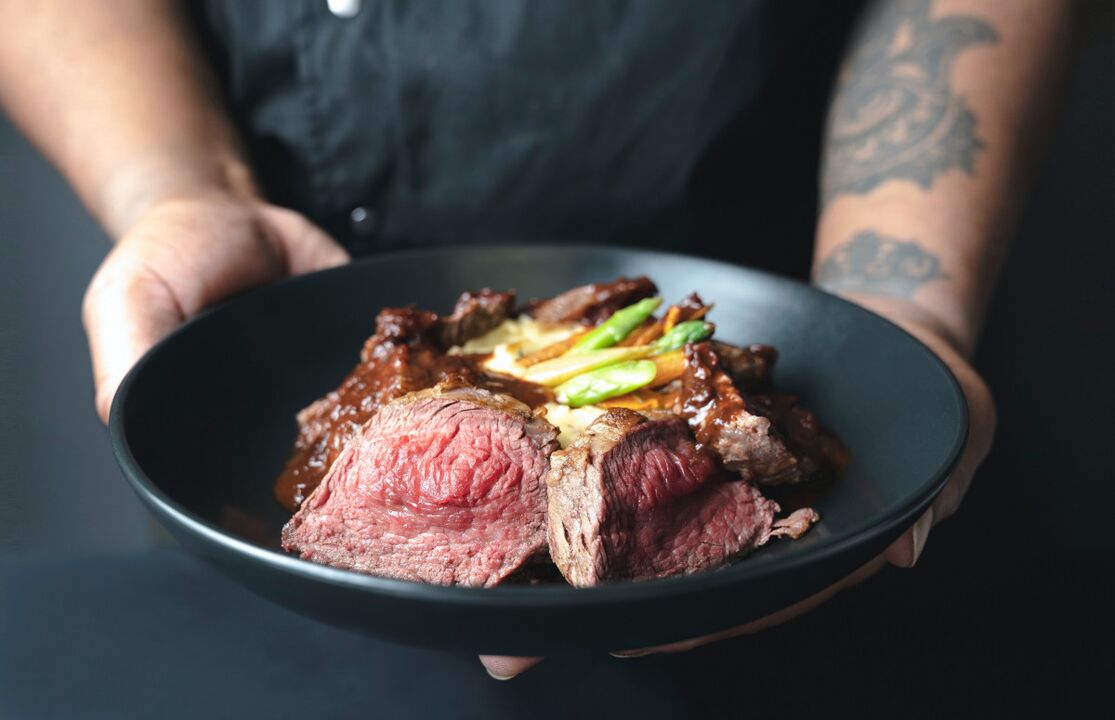
The ketogenic diet was created to treat patients with diabetes, but some doctors decided to try it to lose weight.Let's find out for whom it is suitable and what dangers such a diet can pose, how to choose products and create a menu.
What is the keto diet?
The ketogenic or ketogenic diet is a low-carbohydrate, high-fat diet.This diet helps reduce blood sugar levels, increase insulin sensitivity, improve well-being and lose weight by changing metabolism.
A change in diet causes a state of ketosis, a metabolic mode in which the body obtains fuel from animal foods.The main source of energy is ketone bodies: acetone, acetoacetate and beta-hydroxybutyric acid.These are substances that are formed in the liver from the body's fatty tissues and consumed fats.Ketone bodies nourish internal organs, muscle tissue and the brain instead of glucose.
The ketosis process can be triggered by fasting, but the keto diet allows you to enter this state and maintain it constantly without risk to your health.
Signs of ketosis:
- breath that smells like acetone or fruit;
- increased levels of ketone bodies in the blood, urine and breath;
- decreased appetite and hunger;
- loss of strength, which after a few days can be replaced by normal well-being and increased brain activity;
- gastrointestinal disorders, thirst and frequent urination;
- weight loss;
- irritability;
- insomnia.
Ketosis is a natural metabolic state of the body in which fat and adipose tissues in the body become the main source of energy instead of glucose.
Types of diet:
- standard: 75% fat, 20% protein and 5% carbohydrates of total caloric intake;
- cyclical: five days on keto alternating with two days on high-carbohydrate foods;
- target: suitable for those who play sports;
- rich in protein - differs from the standard version in the proportion of elements (60% fat, 35% protein and 5% carbohydrates).
Most studies and expert articles focus on standard, high-protein regimens.The cyclical and objective options have been less studied and are recommended for athletes and bodybuilders.
The keto diet is a diet with a high percentage of fat and minimal carbohydrates.The body gets energy from animal foods instead of glucose.This diet can help reduce blood sugar and insulin levels and help you lose weight.
Foods to avoid
The ketogenic diet cannot be considered carbohydrate-free: its daily amount is 5% of the diet or 20-50 grams of product.
But to start and maintain a state of ketosis, it is necessary to eliminate or reduce the amount of carbohydrate-rich foods from the menu:
- cereals and starchy products: rice, pasta, cereals, potatoes;
- foods and drinks containing sugar: soft drinks, fruit juices, baked goods, etc.;
- any fruit except berries;
- beans and beans;
- diet products and low-fat foods;
- sauces and flavorings that contain sugar and unhealthy fats;
- alcohol.
Foods to include in your diet
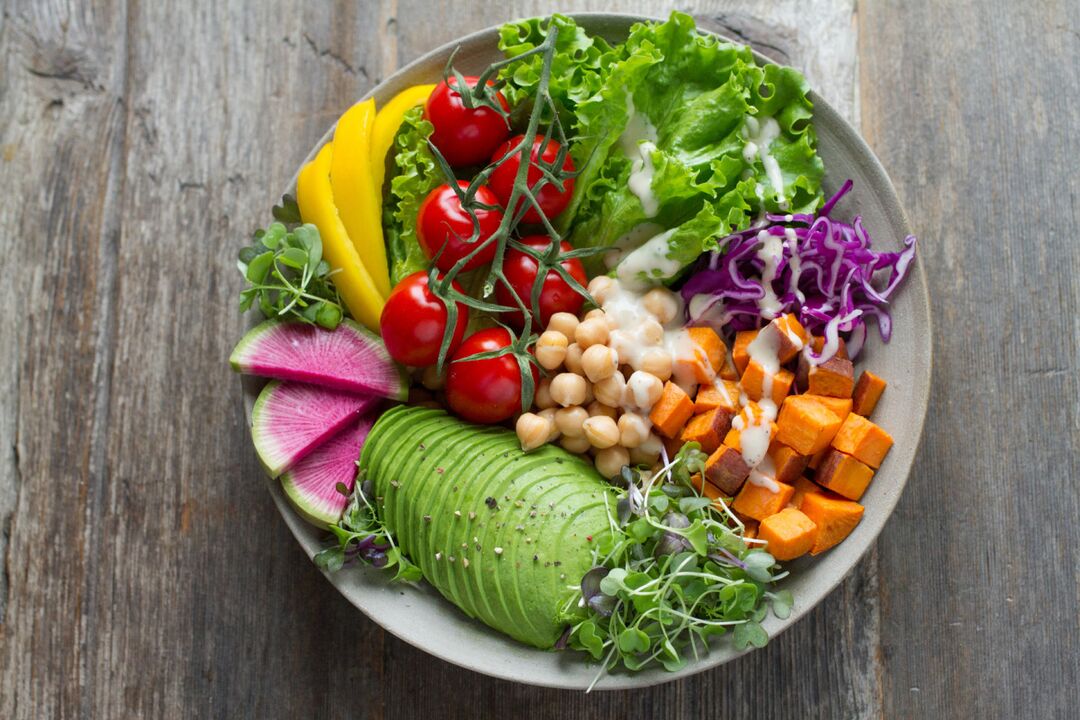
Key foods included in the ketogenic diet:
- meats: steaks, sausages, bacon, chicken and turkey;
- fish: salmon, tuna, mackerel;
- seafood;
- eggs;
- butter and sour cream;
- cheeses: cheddar, goat, cream, mozzarella or blue cheese;
- nuts and seeds;
- olive, coconut and avocado oil;
- fresh avocado and guacamole;
- low carb vegetables: most greens, tomatoes, onions and peppers;
- seasonings: salt, pepper, spices and herbs.
Low carb foods suitable for the ketogenic diet:
- 0% carbs: beef, lamb, chicken, eggs, pork (including bacon), beef jerky, salmon, sardines, trout, butter, olive, coconut and avocado oils, water, coffee, tea.
- 0-5%: liver, seafood, shrimp, tuna, lobster, cod, tomatoes, cauliflower, cucumbers, asparagus, mushrooms, cheese, sour cream, yogurt (including Greek yogurt).
- 5-10%: broccoli, onion, Brussels sprouts, kale, eggplant, bell peppers, green beans, avocado, olives, strawberries.
- 10-15%: grapefruit, apricot, walnuts.
- 15-25%: almonds, peanuts.
As a snack, experts recommend eating seafood, cheese, olives, meat, hard-boiled eggs, nuts, berries, dark chocolate, and small portions of leftovers from breakfast, lunch, and dinner.
Menu from week to day

Monday
- Breakfast: bacon, eggs, tomatoes.
- Lunch: Chicken salad with feta cheese and olive oil.
- Dinner: salmon and asparagus in butter.
Tuesday
- Breakfast: omelette with goat cheese, tomato, basil.
- Lunch: Almond milk, peanut butter and cocoa smoothie with sugar substitute.
- Dinner: meatballs, cheddar cheese and vegetables.
Wednesday
- Breakfast: Keto smoothie, such as peanut butter or strawberry.
- Lunch: shrimp salad with avocado and olive oil.
- Dinner: Pork ribs with broccoli, salad and parmesan.
Thursday
- Breakfast: Omelet with avocado, salsa, bell peppers, onion and spices.
- Lunch: nuts, celery sticks with salsa and fresh guacamole.
- Dinner: Pesto chicken with cream cheese and fresh vegetables.
Friday
- Breakfast: Yogurt with peanut butter, cocoa and sweetener.
- Lunch: beef in coconut oil with vegetables.
- Dinner: bunless burger with bacon, cheese and egg.
Saturday
- Breakfast: mushroom omelette with ham and cheese.
- Lunch: ham, cheese, nuts.
- Dinner: white fish, egg and spinach in coconut oil.
Sunday
- Breakfast: scrambled eggs with bacon and mushrooms.
- Lunch: Hamburger with sauce, cheese and guacamole.
- Dinner: steak, salad, egg.
Natural foods suitable for the ketogenic diet include meat, fish, butter, eggs, cheese, mushrooms, low-carb vegetables, nuts and seeds.
The effectiveness of losing weight with a ketogenic diet
No diet alone provides long-term weight loss and can be detrimental to your health.After temporary weight loss, people return to their previous state and sometimes gain more weight than before changing their diet.A safe and effective way to achieve your desired weight and maintain health and fitness is to find a suitable lifestyle and diet plan that you can follow with the help of experts.
Experts confirm that the ketogenic diet is 2.2 times more effective for weight loss than a low-fat diet.Weight loss occurs due to:
- increase the amount of protein in the diet;
- decreased appetite;
- changes in eating habits;
- get energy from fat instead of glucose;
- fast fat burning;
- Improved metabolism due to increased insulin sensitivity.
The ketogenic diet does not require constant calorie counting, creates a feeling of satiety, accelerates the fat burning process and prevents its formation.
Harm of the ketogenic diet
In 2018, Polish professor Maciej Banach presented a report on the dangers of low-carbohydrate diets at the European Society of Cardiology Congress.The study found that in a control group of 24,000 participants, the risk of dying from heart disease, stroke and cancer was 50%, 51% and 35% higher among those who ate a high-fat, low-carbohydrate diet.

In January 2020, the international organization Physicians Committee for Responsible Medicine recommended that low-carbohydrate diets, including the ketogenic diet, be removed from the 2020-2025 Dietary Guidelines for Americans.Doctors have indicated that such a diet increases the risk of heart disease.
Additionally, the state of ketosis has side effects that you should be aware of.
keto flu
General deterioration of the condition that occurs when changing the diet and lasts several days.Symptoms:
- physical fatigue,
- headache and dizziness,
- decreased attention and performance,
- feel hungry
- sleep disorder,
- irritability,
- digestive disorders,
- increased thirst,
- frequent urination,
- muscle cramps,
- rapid heartbeat.
In the first weeks it is necessary to strictly follow the diet to accustom the body to the new regime.When experiencing keto flu symptoms, it is important to eat well and drink at least 2 liters of fluid, preferably containing electrolytes, per day.Experts recommend adding MCT oils (fatty acids obtained from coconut and palm oil), minerals (salt, soda, magnesium), caffeine, creatine, whey protein and foods containing fiber to your diet.In addition, it is necessary to reduce physical activity.
Risk group: anyone switching to a ketogenic diet.
ketoacidosis
Ketosis is a natural physiological mode in which the body produces the amount of ketone bodies it needs.Ketoacidosis is a pathological condition where levels of glucose and ketone bodies are excessive, which can lead to coma and death.Ketoacidosis can be caused by diabetes, prolonged fasting, or a reaction to increased amounts of fat in the diet.
Risk group: people with type I and type II diabetes, children from 1 to 13 years old, nursing mothers.
kidney stones
According to studies, the ketogenic diet can trigger kidney stone formation in 6.7% of patients.
Risk group: children suffering from epilepsy.
Ketogenic diet for diabetes
Scientists have confirmed the benefits of the ketogenic regimen for people suffering from type II diabetes.In one case, 95% of patients reduced or eliminated medications, compared with 62% of participants who followed a high-carbohydrate diet.In another, 75% of study participants improved insulin sensitivity.
In addition, research is being carried out on the possible use of ketosis to combat the formation of cancer cells, treat acne, childhood epilepsy, heart and brain diseases, Parkinson's and Alzheimer's syndromes.But the scientific material collected is still not enough to reach a substantiated conclusion.
The ketogenic diet is used effectively in the treatment of type II diabetes.In other cases, the medical benefits of low-carbohydrate nutrition require additional research.
doctor's opinions
We asked Evgenia Mayevskaya, candidate of medical sciences, gastroenterologist and nutritionist, several questions.
Is the ketogenic diet beneficial or harmful?
"It's all about the dosage."Today, this nutritional strategy is not recognized by any global nutritional community and, consequently, official medicine cannot recommend it.
With this type of diet, more than 80% of the energy content of the diet is provided by fats, and the consumption of carbohydrates is limited to 20 g per day or up to 50 g, which is milder and somewhat better tolerated.Essentially, most of the time the ketogenic diet is low in carbohydrates (and the transition to ketosis is associated with this) and often high in protein.With this type of diet, the body has a large amount of saturated fats, including trans fats, as well as proteins.
It often happens that most followers of the ketogenic diet at the initial stage do not have a clear understanding of what foods are acceptable on a ketogenic diet, but it is more or less clear what should be avoided.Therefore, meat products are used, which has its consequences.
This can lead to a deficiency of dietary fiber, found in carbohydrate foods, and a deficiency of water-soluble vitamins, such as C, and minerals.These foods can hardly be considered safe.And it is extremely difficult to maintain it throughout your life, but only this option allows you to ensure a stable weight, if we talk about losing weight.
What are the consequences and dangers of the ketogenic diet?
Weight loss in the initial stage can be really impressive, even before the body enters ketosis and the actual fat burning due to water has not yet started.1 g of carbohydrates retains four times more fluid in the body than proteins and the first thing you notice is a decrease in body volume.If there is really a lot of excess weight, the result is initially encouraging.
But it is worth remembering that everything will return if the diet remains the same.And not everything is so rosy.Here are some negative consequences:
- general weakness, fatigue during adaptation;
- hypoglycemia;
- bad breath and the smell of sweat (due to the abundance of meat foods);
- stool disorders (constipation or tendency to diarrhea);
- nausea;
- disturbance of the pancreas and gallbladder, especially if gallstone disease is present at any stage;
- gastric dyspepsia;
- kidney stones (for long-term adherence) and dysfunction;
- possible deterioration of the lipid profile towards atherogenic;
- weight gain when switching to a regular mixed diet.
I also associate this eating behavior strategy with an increased risk of osteoporosis and impaired brain activity.
There are a number of authoritative foreign studies, with which cardiologists are most familiar, that indicate that when carbohydrates in the diet are replaced with fats and proteins for the purpose of weight loss, the risks of cardiovascular diseases increase significantly, by approximately 3.5% to 5%.That is, the risk of suffering a stroke and heart attack can increase if you simply change the type of diet.
Consequently, if a person does not have the above-mentioned disorders, if he wishes, he can try the ketogenic diet and evaluate the effect.
It is recommended to start a similar strategy, but without introducing ketosis, but with a significant limitation of the proportion of carbohydrates (precisely due to the reduction of simple carbohydrates), in patients with impaired carbohydrate metabolism, when, for example, the level of glucose or insulin increases.Once inspired by the first results in reducing body volume, it is always easier to continue.
Maybe just don't eat sweets or simple carbs?Does it also help lower sugar and lose weight without ketosis?
Taking into account the data on the most effective and long-term dietary strategies, as well as my own experience, I can say that if you give up sweets, you can lose weight: sweet foods are not only high in calories, but they also stimulate appetite.
But for most, the effect is unlikely to last and the lost kilograms will return.A person always wants what is forbidden to him and, in a fit of momentary weakness, he allows himself to do it and overeats.
But such a diet, which is not at all low in carbohydrates, but with a limit of simple sugars, can also lead to weight loss and, consequently, to the normalization of blood glucose levels.